2026-10-10 · Dave Miller
Ice Dams: Why They Cause Leaks & How to Stop Them
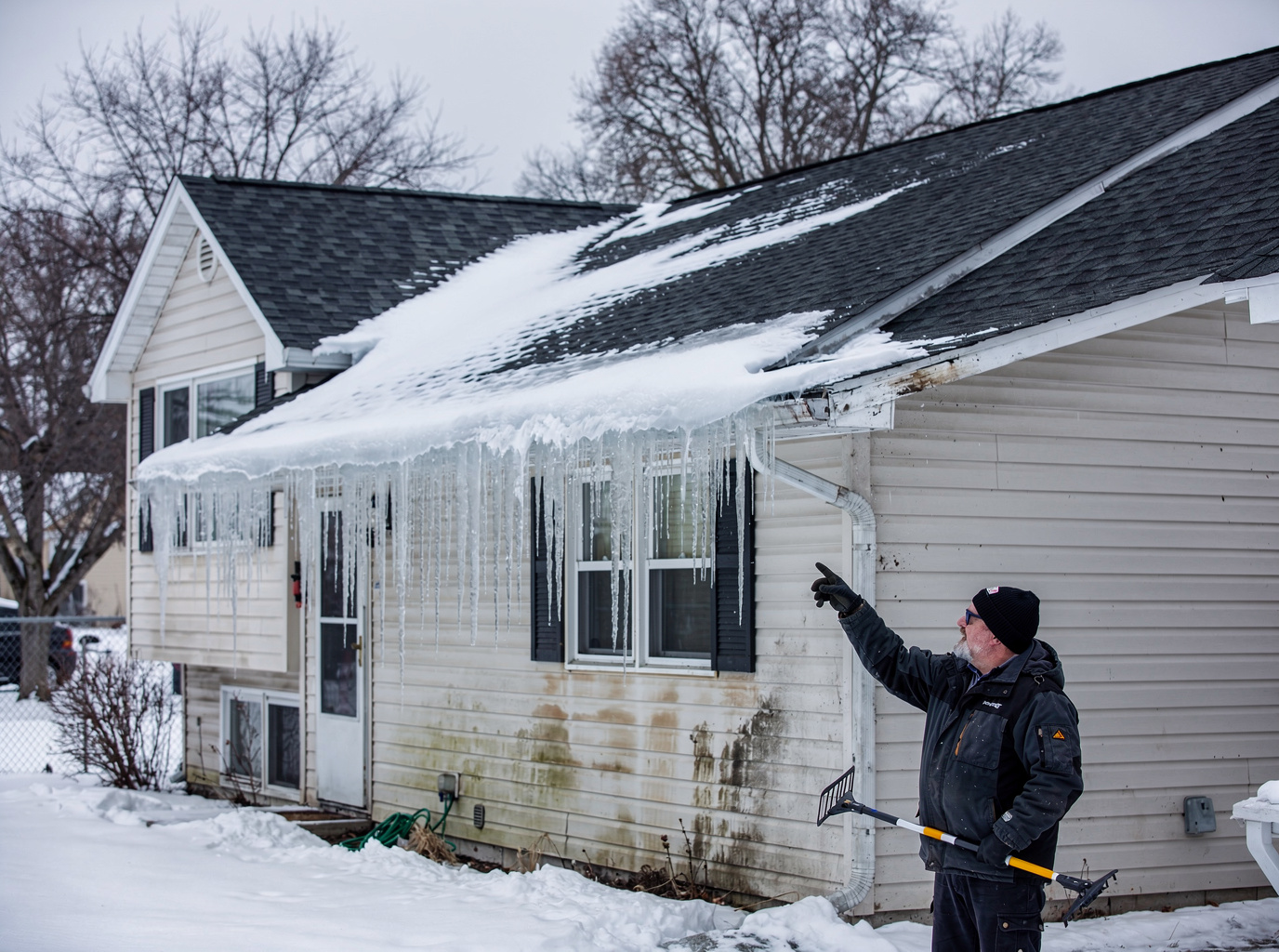
Ice dams form when heat escaping from an attic melts snow on the upper roof while the eaves stay below freezing, creating a ridge of ice that traps water and forces it under shingles. In Appleton this process repeats during the long cold stretches typical of Outagamie County's humid continental climate, especially on homes in older Downtown and North Side neighborhoods where attic insulation often falls short of modern standards.
Why Ice Dams Form in Appleton Winters
Appleton's cold winters bring repeated freeze-thaw cycles that turn roof snow into standing water behind ice ridges. Warm air rising from living spaces or recessed lights melts snow on the main roof slope while the unheated overhang stays at 20 degrees or lower. The resulting water flows down until it hits the ice dam and seeps beneath shingles. Homes built before the 1980s in areas like the Historic Central Neighborhood commonly have only R-19 insulation and poor attic ventilation, which accelerates the cycle. Similar conditions appear on houses in nearby Green Bay and Oshkosh where the same lake-effect snow and sub-zero nights occur.
How Ice Dams Cause Roof Leaks
Once water is trapped behind the dam it finds every gap in the underlayment and flashing. On asphalt-shingle roofs common across North Appleton, the backed-up water travels under the shingles and reaches the interior at penetrations such as chimneys or valleys. In a single January thaw, a 4-inch ice dam can push water 6 to 8 feet up the slope, soaking plywood decking and drywall ceilings. Older homes in the City Park Historic District often have deteriorated step flashing around chimneys, giving the water an easy path inside. The damage shows first as brown stains on ceilings after the snow melts.
Practical Steps to Reduce Ice Dams
Start by improving attic airflow and insulation so the roof surface stays closer to outdoor temperature. Add baffles along the eaves and seal gaps around recessed lights and plumbing vents. Keep gutters clear of leaves and debris so meltwater can exit instead of refreezing. On days when temperatures stay below 25 degrees, use a roof rake to remove the bottom 3 to 4 feet of snow before it melts and refreezes. These steps cut the frequency of dams on roofs in West Appleton and Erb Park where tree cover already limits sun exposure.
When Professional Ice Dam Removal Helps
When dams exceed 6 inches or leaks have already started, a roof rake from the ground is no longer safe or effective. Professional crews use steam or heated water to melt the ice without damaging shingles, then inspect for hidden moisture with infrared cameras. For homes in North Appleton or Colony Oaks that experience repeated problems, adding self-regulating heat cables along the eaves provides a targeted solution that activates only when sensors detect ice. Pair this work with a full Ice Dam Removal & Prevention visit to locate weak spots before the next storm.
If water is already inside the home, contact a team that offers Emergency Roof Leak Repair (24/7) so temporary tarps and interior drying can begin the same day. After the immediate issue is controlled, schedule an inspection listed in the Appleton Seasonal Roof Maintenance Checklist (Spring/Fall) to verify that insulation, ventilation, and flashing will handle the next winter's freeze-thaw cycles.